


Mondly: Learn 41 Languages
4.514.24K Reviews
App Specs
- Version
- 10.41.4.3
- Updated On
- License
- Free
- Downloads
- 50,000,000+
- Developer
- Mondly by Pearson
- Categories
- Education
- Platform
- Android, iOS
Screenshots
 Analysis by AppCompare
Let’s dive into the world of language learning with Mondly: Learn 41 Languages. If you’re like me and always wanted to impress your friends with a few phrases in another language or perhaps you’re planning a trip abroad, then you’ll want to know if this app is worth your time. I’ve given it a whirl, and here’s what I think.
Where learners can get stuck
The most useful way to approach Mondly is as a place to build a regular practice habit, not as a shortcut to fluency. Its short lessons and speaking exercises can help you get comfortable recognizing and trying out phrases, but they don’t replace the effort of listening to varied speakers or having real conversations. I’d use it to make a first pass at useful language, then look for chances to use that language outside the app.
That distinction matters if you are learning for a specific reason. Before a trip, I’d focus on greetings, asking for directions, and ordering food, then repeat the phrases aloud rather than simply tapping through a lesson. If your goal is professional writing, exam preparation, or understanding fast conversation, Mondly is better treated as a supplementary practice tool than as your only resource.
Speech recognition can make speaking practice feel less intimidating, but it is still an app-based exercise rather than a conversation with a person. If a pronunciation attempt is not recognized, try saying the phrase clearly at a natural pace and check that the device is not picking up competing speech. I would not take one unsuccessful attempt as proof that I cannot pronounce the phrase; use it as a cue to listen again and try a different pace.
Setup checks that make practice smoother
When starting, choose a language you genuinely expect to use and a level that matches what you can do now, not what you hope to do soon. If you already know basic greetings, for example, spending all your time repeating them may feel dull; choosing an overly advanced starting point can be discouraging too. I find it sensible to begin where lessons still feel manageable, then adjust my expectations after trying a few.
It also helps to decide what a successful session means before opening the app. A small goal—finishing a lesson, practicing a handful of phrases, or repeating one difficult sentence—is easier to maintain than a vague plan to “get better.” If notifications do not fit your routine, choose a time you already have a pause, such as a commute or a quiet moment after lunch. The reminder should support your habit, not turn practice into another source of pressure.
Because lessons include audio and speech practice, a quiet place can make it easier to hear examples and assess your own attempts. If sound seems missing or recognition feels inconsistent, check the device’s sound level, make sure audio is not being routed somewhere unexpected, and try again in a less noisy setting. These simple checks are more useful than repeatedly restarting a lesson without changing anything.
Worth Reading Before You Choose

Baby Panda World Brings Quick Play to Modern Phones, but Its Game Library Feels Busy

ESPN’s Live Game View Makes Following Close Games Easier

QuizzLand Review: A Good Fit for Short Trivia Breaks, Not Every Player

Basketball Stars: Multiplayer Is Fast, but Can It Recover When Matches Go Wrong?

WEBTOON Turns Phone Updates Into a Better Reading Routine

Link to Windows Runs on Shared Habits, Not Social Feeds
First Impressions
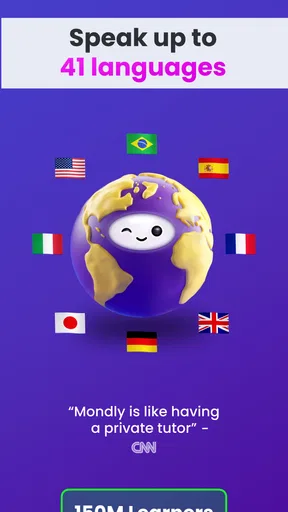
Opening up Mondly for the first time, I was greeted with a clean and colorful interface. It’s inviting and not at all overwhelming, which is a big plus. The app boasts the ability to teach you 41 different languages. Yup, you read that right—41! Whether you’re into French, Mandarin, Swahili, or even Icelandic, Mondly’s got you covered.
Getting Started
Setting up the app was a breeze. You start by selecting the language you want to learn, and Mondly asks you about your proficiency level—beginner, intermediate, or advanced. I appreciate this because it tailors the experience to your needs. You wouldn’t want to start with basic phrases if you’ve already mastered them, right?
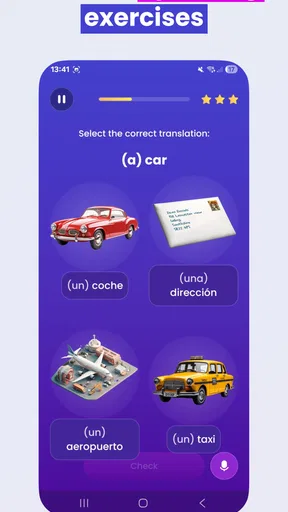
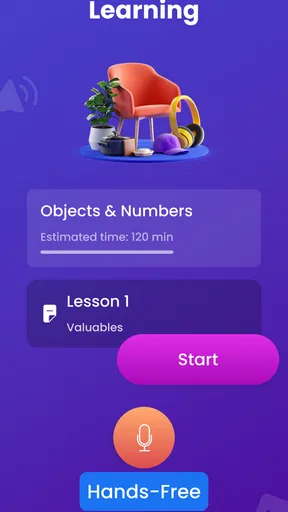
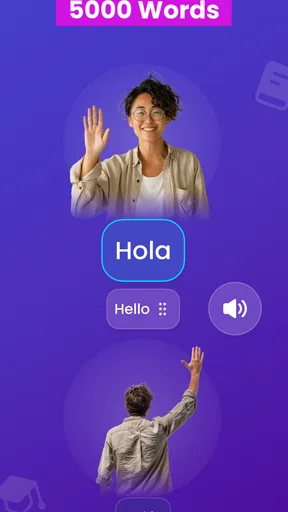
The app’s approach is quite intuitive. It uses a mix of visual and auditory cues to help you learn. For instance, you'll see a picture of a cat while hearing the word in your chosen language. It’s like having a little personal tutor in your pocket.
Features Galore
The app is packed with features, and I was particularly impressed by the speech recognition technology. It’s not just about repeating phrases; the app listens to how you pronounce words and offers feedback. This is fantastic for those who, like me, struggle with getting those tricky pronunciations just right.
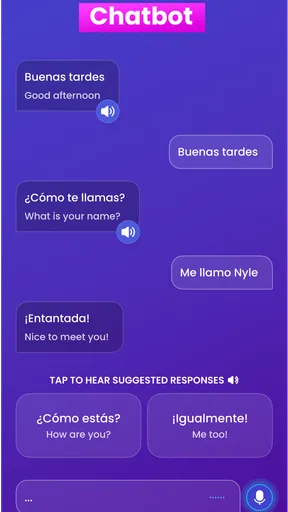
Another perk is the chatbot feature. Imagine having a conversation with a bot in your new language. It’s a safe space to practice without the fear of making a fool of yourself in front of a native speaker. The chatbot covers basic conversation topics like ordering food at a restaurant or booking a hotel.
Making practice useful beyond the lesson
One practical workflow is to treat a lesson as a source of material rather than a task to complete and forget. After a session, pick one phrase you could actually use, say it aloud a few times, and think of a situation where it would come up. For a restaurant scenario, I might practice the relevant exchange before going out, then focus on recognizing the same kind of phrase when I hear it in real life. That extra step helps turn a screen exercise into preparation.
The chatbot is most helpful when I use it to rehearse the shape of a familiar exchange, not to judge whether I can handle every possible response. A scripted practice can reduce the nerves of starting a conversation, but real people may speak differently or take the conversation in an unexpected direction. If you need flexible conversation skills, pair this kind of practice with listening to natural speech or talking with a language partner.
If a lesson seems to stall or a response does not register, I’d first repeat the prompt and check that I have heard or read it correctly. Then I’d leave the exercise and return to it rather than tapping rapidly through the same screen. For pronunciation, reducing background noise and speaking at a steady pace are sensible first steps. If the issue only happens in one environment, it may be easier to change where you practice than to assume the lesson itself is broken.
Daily Lessons and Motivation
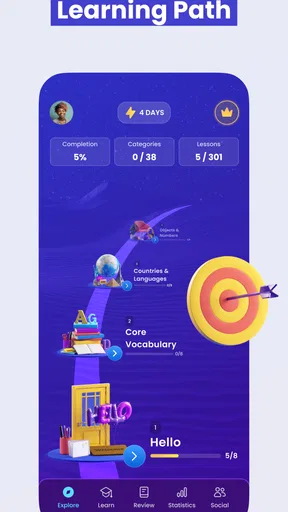
One of my favorite things about Mondly is the daily lesson feature. The app sends a notification to remind you to practice. The lessons are bite-sized, so you don’t feel overwhelmed. It’s perfect for those of us with busy schedules. Even squeezing in a few minutes a day can make a huge difference.
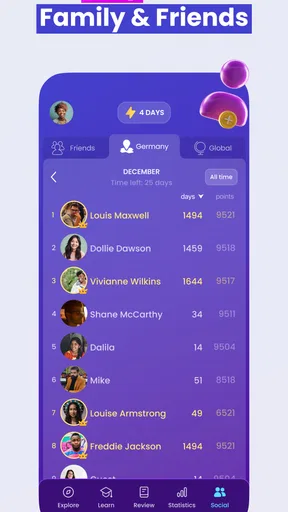
The gamified experience keeps you motivated too. You earn points, unlock new levels, and see your progress. I found myself getting a little competitive with my friends who also use the app. Who doesn’t love a little friendly rivalry?
Choosing a routine you can keep
A realistic weekday use case is a short lesson during a commute or while waiting for an appointment, followed by a quick review of one phrase later in the day. I would avoid trying to do speaking exercises in a crowded place if I cannot hear the audio or speak comfortably. In that situation, a quiet break at home is a better fit, while a brief review can still keep the language present in my mind.
Points and progress indicators can make it satisfying to return, but I would not let them define whether learning is going well. Repeating a lesson because a phrase still feels awkward is more valuable than rushing ahead just to see a new level. If a daily reminder becomes annoying, changing when you practice—or simply choosing a routine that does not depend on notifications—can make the habit feel more personal and sustainable.
Variety of Languages
The app doesn’t skimp on the variety either. From popular languages like Spanish and German to less common ones like Finnish or Bulgarian, the choice is vast. I took a shot at learning a bit of Portuguese, and it was smooth sailing thanks to the structured lessons.
Each language has its own set of lessons tailored to specific needs, whether you’re traveling, working, or just doing it for fun. The cultural tips scattered throughout are a delightful touch, offering insights into the regions where the language is spoken.
How it fits alongside other learning tools
Compared with a flashcard app, Mondly’s mix of listening, images, and spoken practice gives me more context than reviewing isolated word-and-translation pairs. Flashcards may be a better choice if I want to build a custom vocabulary deck or spend a session drilling only the terms I keep forgetting. Compared with a live tutor or language exchange, Mondly is easier to use for private, low-pressure practice, but it cannot respond with the same spontaneity as another person.
The large language selection is useful if curiosity is part of the goal: I can explore a language without committing to a class or a long course. But if I need detailed grammar explanations, specialized writing feedback, or a structured path toward a formal test, I would add a resource designed for that purpose. A practical compromise is to use Mondly for short, repeatable practice and keep a notebook or another study tool for rules and vocabulary I want to revisit.
Subscription and Accessibility
Now, let’s talk about the subscription. While the app offers some free content, the real magic happens with the premium version. It’s a bit of an investment, but if you’re serious about learning, it’s worthwhile. The subscription gives you access to all languages, a wealth of lessons, and advanced features.
Accessibility-wise, Mondly is available on both Android and iOS, which is great. You can learn on the go, whether you’re on a train or lounging at home. The app syncs across devices, so you can pick up right where you left off.
What to expect before committing
Mondly is a free education app from Mondly by Pearson, with optional in-app purchases ranging from $0.49 to $249.90 per item. I’d try the available free material first and see whether the lesson style suits me before paying for more access. The app is rated for Everyone, and it has a 4.5 average from around 922,000 ratings, with over 10 million installs. Those figures suggest it has reached a broad audience, but they do not tell me whether its teaching style will match my own needs.
On Android, the current version is 10.35.1 and the minimum operating system is 10. It was released on June 3, 2015, and has around 14,000 written reviews. I would check that my device meets the system requirement before installing, then make sure I am comfortable with the available purchase choices before treating the free experience as a complete course. The key question is not whether the app has many lessons, but whether I will return to them often enough to benefit.
One common expectation to reset is that choosing a language and level will automatically create a complete personal curriculum. The level choice helps orient practice, but I still need to notice which words or situations matter to me and make time to revisit them. Likewise, a phone app is convenient for short sessions, but a larger screen or paper notes may be more comfortable if I want to compare spellings or keep my own study record.
Final Thoughts
All in all, Mondly is a fantastic tool for anyone looking to embark on a language learning journey. It’s user-friendly, packed with features, and keeps you engaged. Whether you’re brushing up on your high school French or diving into something completely new, it’s got you covered.
So, if you’re ready to say "hello" in 41 languages, give Mondly a try. It might just be your new favorite app. Bon voyage on your linguistic adventure!
My recommendation is strongest for curious beginners and casual learners who want a gentle way to practice phrases, hear language, and get more comfortable speaking without an audience. I would skip it as a sole resource if I needed intensive correction, advanced conversation, or a carefully supervised academic course. For everyone else, the best test is simple: try a short session, choose a language connected to a real goal, and see whether the exercises make you want to come back. If they do, Mondly can be a useful part of a broader learning routine.
Pros
- Wide variety of languages offered.
- Interactive and engaging lessons.
- Speech recognition for pronunciation.
- Daily challenges boost motivation.
- User-friendly interface.
Cons
- Limited free content available.
- Occasional app crashes reported.
- In-app purchases can be pricey.
- Some languages lack depth.
- Requires internet for full features.
FAQs for Mondly: Learn 41 Languages
What languages can I learn with Mondly?
Mondly offers lessons in 41 different languages, including popular ones like Spanish, French, German, and less common languages such as Hungarian and Indonesian. This variety makes it an excellent choice for learners interested in exploring multiple languages or focusing on less frequently taught languages.
Is Mondly suitable for beginners or advanced learners?
Mondly is designed for both beginners and advanced learners. It provides a structured path for beginners, while also offering more complex lessons and practice for advanced users. The app uses speech recognition technology to help improve pronunciation, making it versatile for different proficiency levels.
Does Mondly use gamification to enhance learning?
Yes, Mondly integrates gamification elements to make language learning more engaging. Users can earn points, compete with others on leaderboards, and complete daily challenges. This approach not only makes learning fun but also encourages regular practice and progress tracking.
Are there any additional costs or subscriptions required?
Mondly offers a free version with limited access to lessons. However, to unlock all features, users need to subscribe to the premium version. The subscription provides full access to all languages, lessons, and exclusive features such as chatbot conversations and advanced vocabulary training.
How does Mondly support language pronunciation practice?
Mondly uses advanced speech recognition technology to help users practice and improve their pronunciation. The app provides instant feedback on spoken words, allowing users to refine their accent and pronunciation. This feature is particularly beneficial for learners aiming for fluency and accurate language use.


